


In this article...
If you’ve seen the letters “VPD” floating around and aren’t quite sure what they stand for, you’re not alone. Vaping Products Duty is the UK’s brand-new tax on e-liquid, and from 1st April 2027, it will apply to pretty much every bottle you buy.
To summarise quickly: The official start date of VPD was October 1st 2026, but any bottle manufactured or imported before that date can be sold through March 31st 2027 without a tax stamp. Any bottle manufactured or imported after October 1st 2026 must have a valid tax stamp.
We've broken down what VPD is, what it means, and removed as much of the confusing legislative jargon as possible. If you're in a rush, you can find our key takeaways below:
Key Takeaways
- VPD is a new excise duty on vaping liquid, which came into effect 1st October 2026.
- The rate is a flat £2.20 per 10ml, whatever the nicotine strength, even 0mg.
- Devices, coils, tanks and batteries aren’t taxed, only the liquid.
- Every retail bottle manufactured will need a Vaping Duty Stamp from October, with a grace period for old stock running to 31st March 2027.
- We’ve already covered why the government is doing this in a separate piece if you want the policy reasoning.
- We’ll walk through what it actually adds to a bottle of our own Red Label, not a generic example.
What VPD actually is
Vaping Products Duty is a new excise duty, the same family of tax as alcohol duty or tobacco duty, charged on vaping liquid made in or brought into the UK. It’s the first time e-liquid has ever had its own dedicated tax in this country. Up to now it’s only ever carried standard 20% VAT, same as most other goods.
The duty applies to the liquid itself, not the kits. That covers bottled e-liquid, prefilled pods, and even the raw ingredients people use to mix their own, propylene glycol, vegetable glycerine and flavourings all count, whether you buy them premixed or as separate DIY components.

It doesn’t matter if the liquid has any nicotine in it either. A 0mg bottle is taxed exactly the same as an 18mg one, because the duty is charged on volume, not strength.
That’s actually a change from how the whole thing was originally meant to work. The first proposal back in 2024 was a tiered system; more nicotine meant a higher rate. Industry and health groups both pushed back on that during consultation, and the government eventually settled on the simpler flat rate instead.
If you want the fuller story on why the tax exists and how that decision came about, we’ve written a separate piece on why the government introduced the vape tax that goes into the reasoning properly. This one’s about the practical side, what it costs, what’s covered, and what changes for you.
How will VPD change our prices?
The rate is £2.20 per 10ml of liquid. VAT then applies on top of that duty at the usual 20%, so the real bump on a 10ml bottle works out at about £2.64 once both are added together.
Here’s what that looks like using our own prices, not a generic example pulled from nowhere.
| Product | Price now | Price after VPD | Increase |
| Red Label 10ml (RRP) | £4.99 | £7.63 | +£2.64 (53%) |
| Red Label 10ml (Mix & Match, 20+ bottles) From | £3.99 | £6.63 | +£2.64 (66%) |
| NICO-ICE nic shot (Mix & Match) From | £2.39 | £5.03 | +£2.64 (110%) |
One thing worth noticing there. The duty itself is a fixed amount per 10ml, so it hits cheaper bottles proportionally harder than expensive ones. That’s just maths, not us trying to talk our own prices up.
The good news? You won't see a sudden price jump on 1st October. Here at Totally Wicked, we're doing everything we can to look after our customers. We’re keeping our current prices in place as we head into the transition period, making sure you get the best possible value for as long as we can.
What about pre-filled pods?
Because the tax is based directly on the volume of e-liquid being sold, smaller formats like 2ml pre-filled pods will see a smaller jump in price per pod than a 10ml bottle of e-liquid. While that might make 2ml pods look like a smaller increase, you're still paying the exact same amount of tax per ml of e-liquid. In fact, switching to 10ml e-liquid with a refillable kit remains the far more cost-effective way to vape.
What’s taxed and what isn’t
The split is dead simple. Liquid pays the duty, hardware doesn’t.
| Taxed from 1 October 2026 | Not taxed |
| 10ml e-liquid bottles, any strength including 0mg | Devices, kits and mods |
| Prefilled pods, prefilled pod kits | Coils, tanks and empty pods |
| Nic shots and DIY mixing liquids | Batteries, chargers, drip tips |
If it’s a liquid meant to be vaped, it’s in scope. If it’s the bit that heats or holds the liquid, it isn’t.
Duty stamps explained
From 1st October 2026, every newly manufactured or imported retail bottle and pod needs a Vaping Duty Stamp attached before it can legally go on sale.
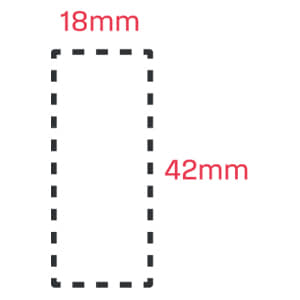
The stamps are tiny, 18mm by 42mm, and they’re designed to seal the packaging so it can’t be opened without damaging the stamp itself. Later stamps will also carry a scannable digital code so HMRC can track products through the supply chain.
There’s a grace period built in too. Stock made before October 2026 can still legally be sold without a stamp right up until 31st March 2027. After that date, anything without a stamp becomes illegal to sell, full stop.
For you as a customer, none of this changes how you buy or use anything. It’s really a business-end compliance measure, but it’s worth knowing the stamp exists so you’re not confused if you spot one on a bottle later this year.
Why VPD exists
We’ve covered this properly in our piece on why the government introduced the vape tax, so we won’t repeat the whole thing here, but the short version is that ministers say it’s designed to do two jobs at once.
Make vaping less affordable for young people and non-smokers who’ve never picked up a cigarette, while keeping tobacco duty rising in step so vaping stays the cheaper option for anyone actually trying to quit smoking.
It’s also expected to raise a fair amount of money for the Treasury. Official figures certified by the Office for Budget Responsibility put it at £135 million in the first year, climbing to £565 million a year by 2030/31.
Key dates
- 1st April 2026: Manufacturers, importers and warehousekeepers can start applying to HMRC for approval
- 1st September 2026: Digital duty stamps become available to order
- 1st October 2026: VPD begins, duty becomes payable, stamped stock starts appearing on shelves
- 31st March 2027: Grace period ends, unstamped stock can no longer legally be sold
What it means if you mix your own e-liquid
Here’s the bit that’s a bit different for us compared to a lot of other vape retailers writing about this. Because we don’t really do shortfills, a big chunk of the doom and gloom you’ll read elsewhere (100ml bottles jumping over 100% in price) doesn’t apply to how most of our customers actually buy.
Instead, a lot of people mix their own using an unflavoured base, a nic shot like NICO-ICE, and a flavour concentrate. The base and the nic shot are both liquids intended for vaping, so they’ll carry the duty same as anything else; a 10ml nic shot picks up the same £2.20 (plus VAT) as a 10ml bottle of premixed juice.
Either way, DIY mixing doesn’t let you dodge the tax on the nicotine or the base liquid, but it does mean you’re only paying duty on what you actually put into the mix, not on padding or a bigger bottle than you need.
FAQ – What are customers asking about VPD?
We’ve read reviews, emails, and any other points of contact we have. Here are the most common questions:
Yes. The duty is charged by volume, not nicotine strength, so nicotine-free liquid is taxed the same as any other strength.
No. Hardware only carries standard 20% VAT, same as before. The duty only applies to the liquid. So, if you're buying something like a prefilled pod kit, which contains liquid, VPD will apply to that liquid.
Yes, until 31st March 2027, but only if the shop you are buying from still has pre-tax products available. After that, all vaping liquid sold in the UK must carry a duty stamp.
No. Any liquid ingredient intended for vaping, including nic shots, diluents and flavour concentrates, is liable for the duty. You’re only avoiding tax on volume you don’t actually buy.
No, that’s a separate piece of legislation from June 2025. VPD is specifically a tax on e-liquid.
Sources
- HMRC - Prepare for Vaping Products Duty and the Vaping Duty Stamps Scheme
- HMRC - Introduction of Vaping Products Duty from 1 October 2026
- HM Treasury - Vaping Products Duty consultation and outcome
- Office for Budget Responsibility revenue figures, via Tobacco Reporter
- BBC - Vaping tax and tobacco duty rises set out in Budget